

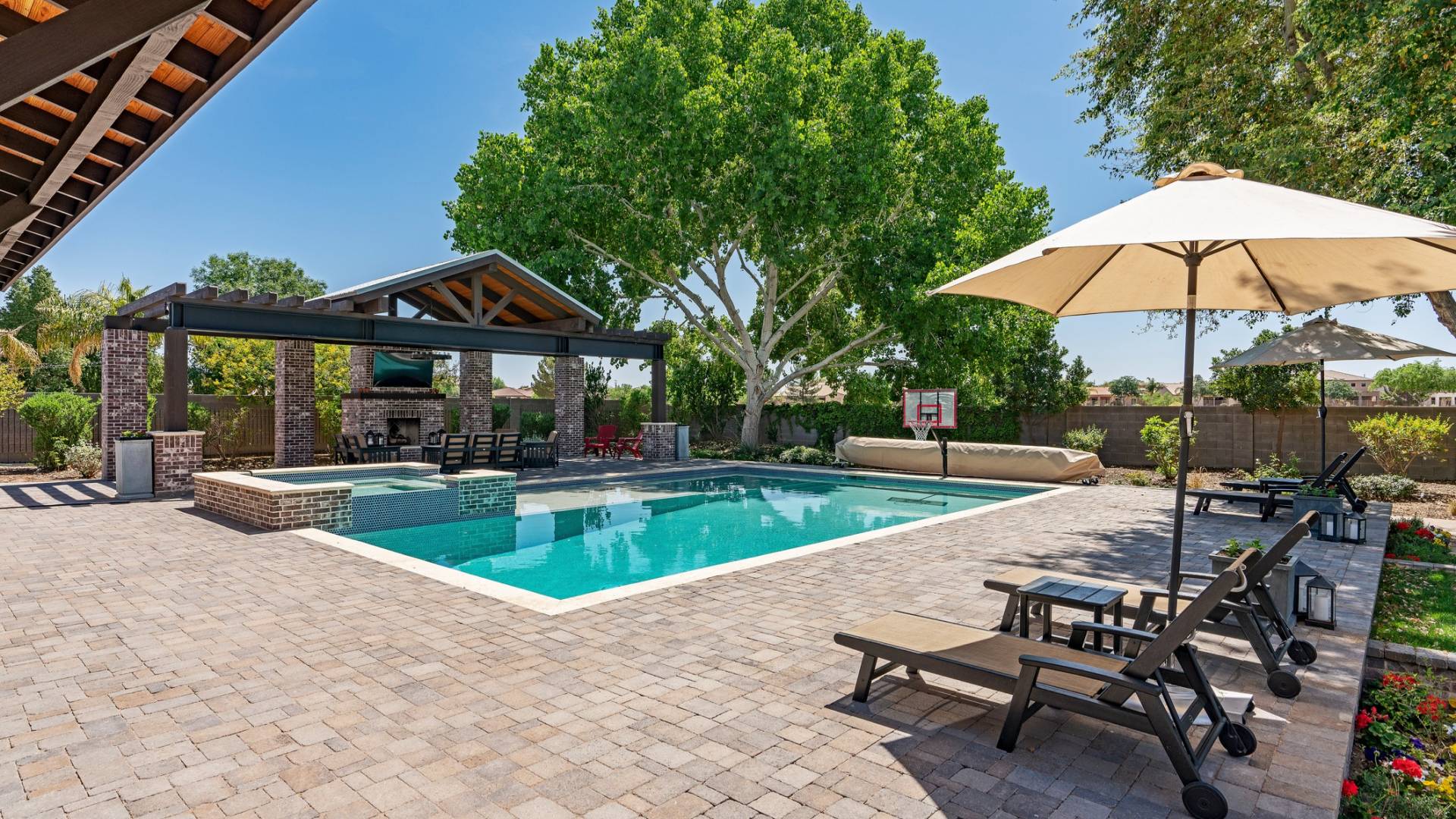
Pool Services & Pool Maintenance
Serving the Allen, Texas Area
Proudly providing swimming pool services to Allen, Texas area homes and businesses since 2019, PoolDoc is a trusted, professional provider of pool cleaning, pool repair, and general pool services for residential and commercial swimming pools in the Allen area.
Call for a FREE Quote
Wide Variety of Pool Maintenance Services
PoolDoc offers a wide range of swimming pool maintenance and cleaning services, from weekly cleanings and periodic repairs to pool openings and closing and pH testing. Give us a call at (945) 215-4290 to discuss your local Allen pool maintenance needs!
Pool Service
Let PoolDoc take care of your swimming pool so you can enjoy it rather than toil over it. PoolDoc has been servicing pools since 2019. We provide quality pool service in all types of swimming pools, big or small, inground or above ground. PoolDoc's pool technicians are experienced with maintaining pools, whether you need a simple service or a more detailed service.
Pool Cleaning
Love having a pool but dread cleaning it? Is the thought of testing and adjusting the pH of your pool on a regular basis daunting? Not to worry! PoolDoc is a local provider of the full gamut of pool services. Our pool cleaning technicians can keep your pool clean and at safe chemical levels so that it's jump-in ready at all times. Call (945) 215-4290.
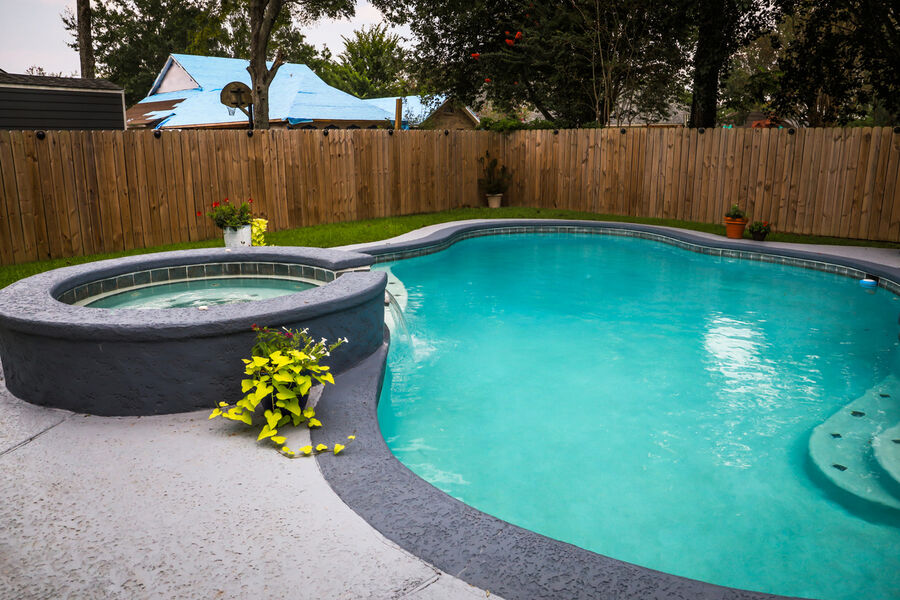
The Local Allen Pool Experts
Whatever your Allen area pool needs, PoolDoc can handle it. Need the pH corrected? Want to convert from chlorine to saltwater? Or simply need your water crystal clear again? PoolDoc can do it, and for a reasonable price! PoolDoc has provided pool services in Allen and neighboring areas since 2019, and we'd love to become your favorite contractor too!
Enjoy Your Pool: Leave the Work to PoolDoc
You work hard all week, why spend your free time working on your pool, when you can be relaxing in it? Let PoolDoc do the work for you! Our experienced pool technicians will clean, repair, and maintain water quality at your convenience so you can enjoy your pool any time. We'll be happy to schedule regular cleaning and maintenance visits around your busy schedule.
Call for a FREE Quote

-Logo.wine.svg)